Planning flatbed hire in Ipswich
Most people start a flatbed booking by asking which vehicle is biggest. In Ipswich it often pays to start somewhere else: the address where the load has to come off. A town-centre shop fit, a garden project on a terraced street and a site delivery on an industrial estate each ask different things of the driver, the vehicle and the people waiting to receive the goods. Working backwards from those final few metres usually tells you more about the right hire than any brochure will.
This guide is for householders, tradespeople and business users planning self-drive dropside or flatbed hire. It starts with two decisions that are easy to overlook: getting lawful entry to a restricted street, and getting permission to stand while you work. After that it covers deck size, weight, licence entitlement, restraint and unloading. It does not replace the terms, vehicle plate or handover information from the supplier you book with. Use it to go into that conversation knowing what to ask.
Decision one: can the vehicle legally reach the drop?
Some Ipswich streets are signed for no vehicular access. The council makes clear that sorting out parking arrangements does not, on its own, get you past those signs. A suspension or dispensation decides where a vehicle may stand. An access permit decides whether it may go in at all. If your destination is behind that signage, treat entry as a separate application with its own answer.
In practice, walk or map the final approach before you book. Note which signs apply, at what times, and whether the delivery address is inside the restricted area or just outside it. If it is inside, ask the recipient whether they already have delivery arrangements. Also check whether a permit is tied to a named registration, because the actual hire vehicle may not be confirmed until close to collection. If entry cannot be secured, plan a legal stopping point outside and allow time and helpers to carry goods the rest of the way.
Sources: Ipswich Council: access permits
Decision two: permission to stand while the load comes off
Unloading timber or pallets takes much longer than dropping off a parcel, and an open-bed vehicle with its sides down takes up more road than its footprint suggests. Where restrictions would otherwise stop you waiting, Ipswich council runs a parking dispensation process that needs at least four working days' notice. That rules out arranging permission on the morning of the job. Agree the date with the recipient first, then apply before you confirm a collection time.
A dispensation does not guarantee an undisturbed stop. You can still be asked to move if the vehicle is causing an obstruction, and approval is never automatic. Keep a walkable route for pedestrians, avoid blocking driveways and sightlines at junctions, and have a fallback spot in mind. The scheme is not meant for convenience parking, so apply only for the time you genuinely need to work.
Matching the deck to what the recipient can handle
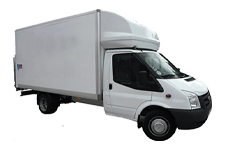
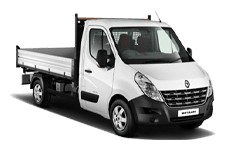
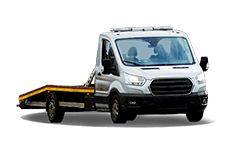
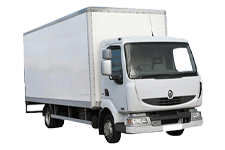
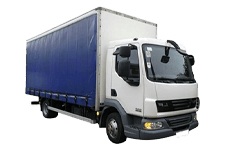
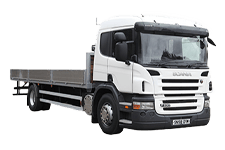
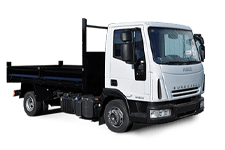
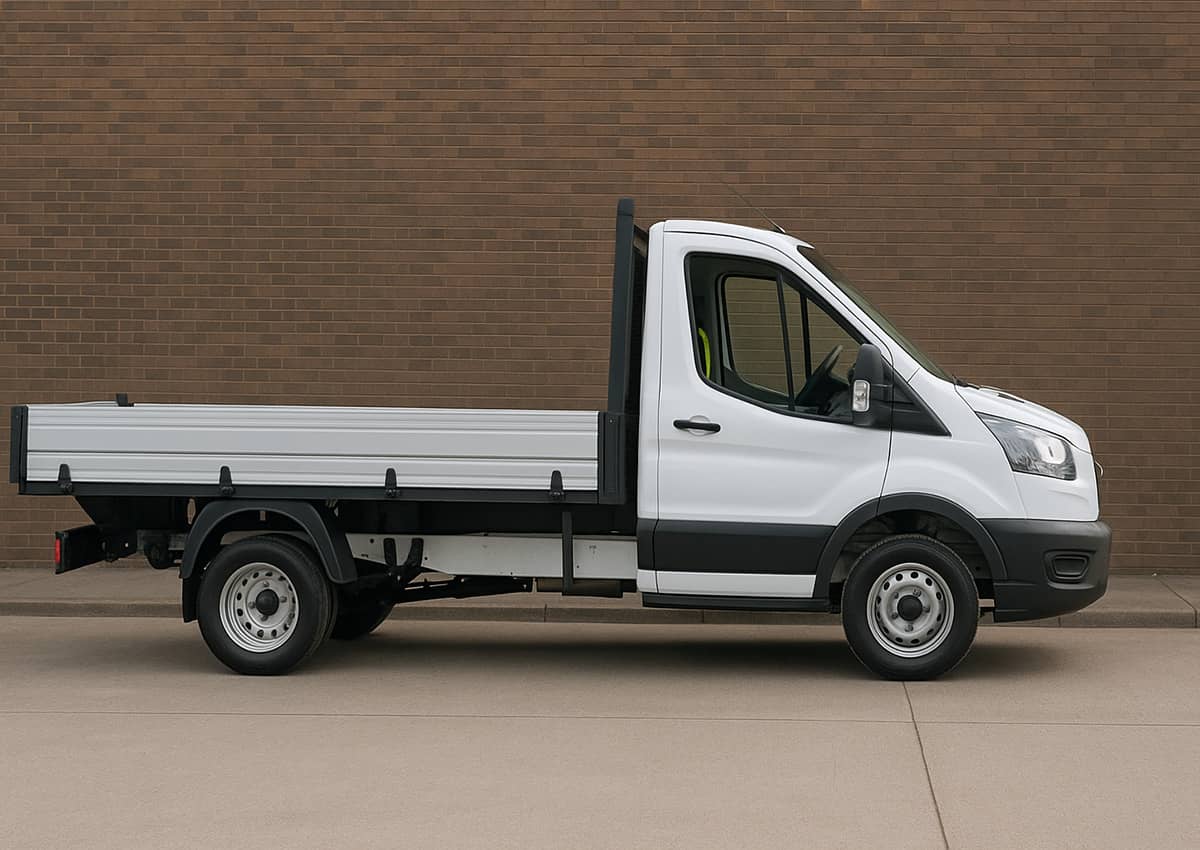
Once entry and standing are settled, look at vehicle types. A dropside with a bed of about 3 metres suits fencing panels, bagged materials and smaller tools, especially where tight streets make anything bigger awkward. A bed of about 4 metres gives more room for lengths of timber, pipe or several pallets, depending on the real internal width. A 7.5 tonne dropside lorry, with a deck of around 6 metres, is for heavier or multi-pallet loads, but only when the route, the driver's entitlement and the unloading space all suit a lorry.
These are typical categories, not a promise of a particular vehicle. Ask the supplier for the allocated vehicle's bed length and width, side height, headboard position, and the number and rating of its anchor points. If the recipient will unload from the side with a forklift, confirm that the sides drop fully and that the ground is firm. If there is no forklift, a dropside with a tail lift may be worth discussing, as long as the lift platform suits the goods and the surface where it will land.
Sources: Nationwide Hire UK: 3 metre dropside, Nationwide Hire UK: 4 metre dropside, Nationwide Hire UK: dropside with tail lift, Nationwide Hire UK: 7.5 tonne dropside
Gross weight, payload and lifting equipment are three different numbers
Gross vehicle weight, also called maximum authorised mass, is the most the vehicle may weigh when fully loaded. It is normally shown on the plate or sticker. Payload is what is left once you allow for the vehicle itself, fuel, the driver, any passengers and any equipment you carry. So a 3.5 tonne dropside cannot carry 3.5 tonnes of goods. Its real payload is far lower and varies between individual vehicles, so ask for the figure that applies to the one you are allocated.
Tail-lift capacity is a separate number again. A lift's rating tells you what it can raise in one go. It says nothing about how many of those items the vehicle can legally carry at once, and the reverse is also true. Add up the goods, pallets, packaging, straps and people on board. Remember too that taking off part of a load changes how the remaining weight sits across the axles. If the total is close to the limit or you are unsure, stop at a public weighbridge before the main journey.
Sources: GOV.UK: vehicle weights explained, DVSA: HGV overloading basics, Nationwide Hire UK: dropside with tail lift
Licence entitlement follows the plate, not the job
A car licence with category B generally covers vehicles up to 3.5 tonnes maximum authorised mass, which includes most dropside vans. Vehicles above 3.5 tonnes and up to 7.5 tonnes generally need category C1. Not every car licence includes C1, so check the categories printed on each driver's licence rather than relying on memory or on what a colleague holds.
Suppliers may set their own age, experience or document conditions, and it is worth asking whether business use of a 7.5 tonne lorry brings any further requirements. Confirm that every named driver is eligible well before the day. Finding a missing entitlement at the counter usually means switching vehicle or cancelling the job.
Sources: GOV.UK: driving licence categories
Restraining the load and managing overhang
Official guidance is clear that loads must be loaded safely, secured for the journey and unloaded safely. The weight of the load, or friction, is not restraint on its own. Before loading, check the platform, sides and headboard for damage and find the proper anchor points. Rope hooks and sheeting hooks are not built to restrain a load, so never tension straps against them.
Choose restraint to suit the actual load: rated straps over bundled timber, chocks behind wheeled machinery, and friction matting under smooth pallets. Where possible, place the load against the headboard. Ask the supplier what equipment, if any, comes with the hire, and bring your own rated kit if nothing does. Long pipe or timber sticking out beyond the body may need marking, and some overhangs need advance notice. Measure the overhang and check the current official guidance on overhanging loads before you set off.
Sources: DVSA: securing loads on HGVs and goods vehicles, DVSA: load securing basics, DVSA: ways to secure a load, DVSA and DfT: overhanging loads on vehicles
Planning the unload at the destination
Official workplace safety guidance recommends a clear, level unloading area, with the vehicle parked as stably as possible and arrangements agreed in advance. For a private delivery, that means agreeing with the recipient who will lift, where the goods will go, and whether other people will be on the pavement or site. Mark out a working area before you drop a side, because a released side or a shifted item can fall outwards.
Unload in an order that keeps the rest of the load stable and the weight sensibly spread. Release one strap at a time and check nothing has moved before you open the next side. Never stand on the edge of the deck while goods are being lifted next to you. If the stop starts to get in the way of pedestrians or traffic, pause and reset rather than rushing to finish.
Sources: HSE: safe loading and unloading